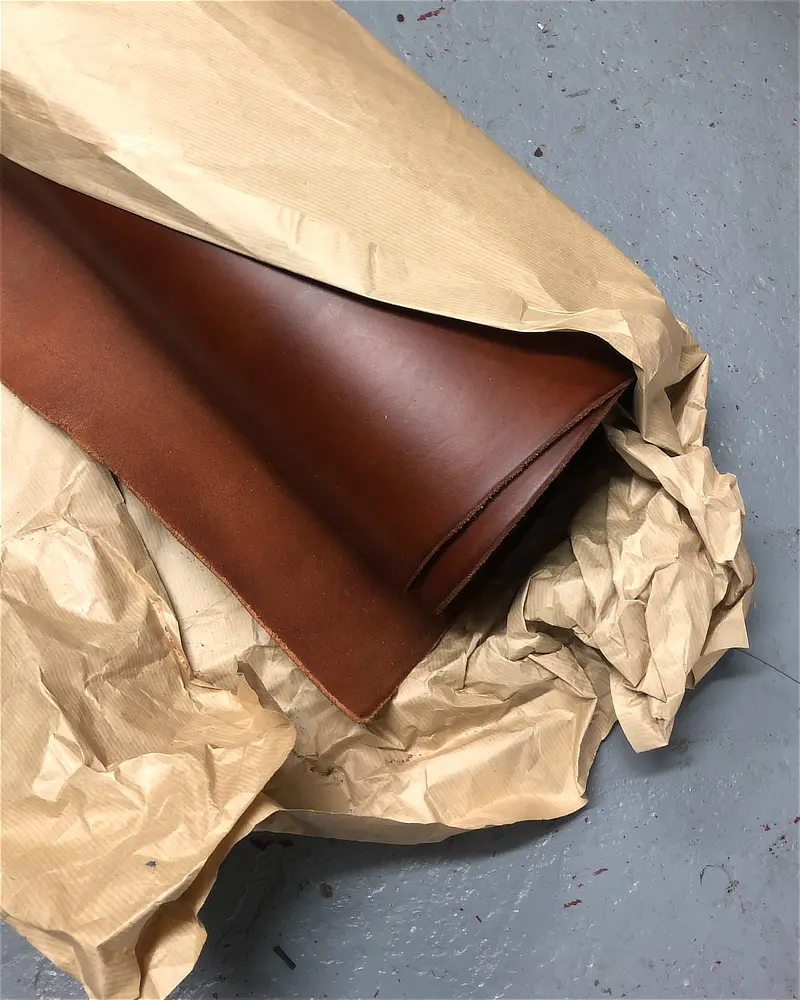
Understanding Leather Grades for High-Traffic Hospitality Interiors

Selecting the right hide for a commercial interior is a balancing act between tactile authenticity and strict operational performance. In high-traffic hospitality settings—such as bar fronts, banquette edging, and custom table wraps—leather is subjected to continuous handling, liquid exposure, and strict fire safety regulations.
Full-Grain vs. Surface-Finished Hides
While full-grain vegetable-tanned leather offers an unparalleled natural patina that ages beautifully over time, it remains sensitive to moisture and oils. In high-turnover dining or bar environments, an unprotected hide can absorb spills rapidly, leading to uneven staining.
For heavily handled architectural touchpoints, semi-aniline or specialty top-grain hides treated with micro-pigmented protective coatings provide the ideal balance. They retain the warm, natural hand-feel of genuine leather while offering the liquid resistance and wipe-clean capability required by venue operators.
Meeting Commercial Standards
Beyond surface wear, leather specified for UK and European hospitality projects must meet stringent flame retardancy standards (such as BS 5852 Crib 5). Achieving this requires close coordination with specialist tanneries to ensure flame-retardant treatments are incorporated during the drumming process rather than applied merely as a stiff surface spray, preserving the hide’s essential flexibility for complex wrapped joinery.